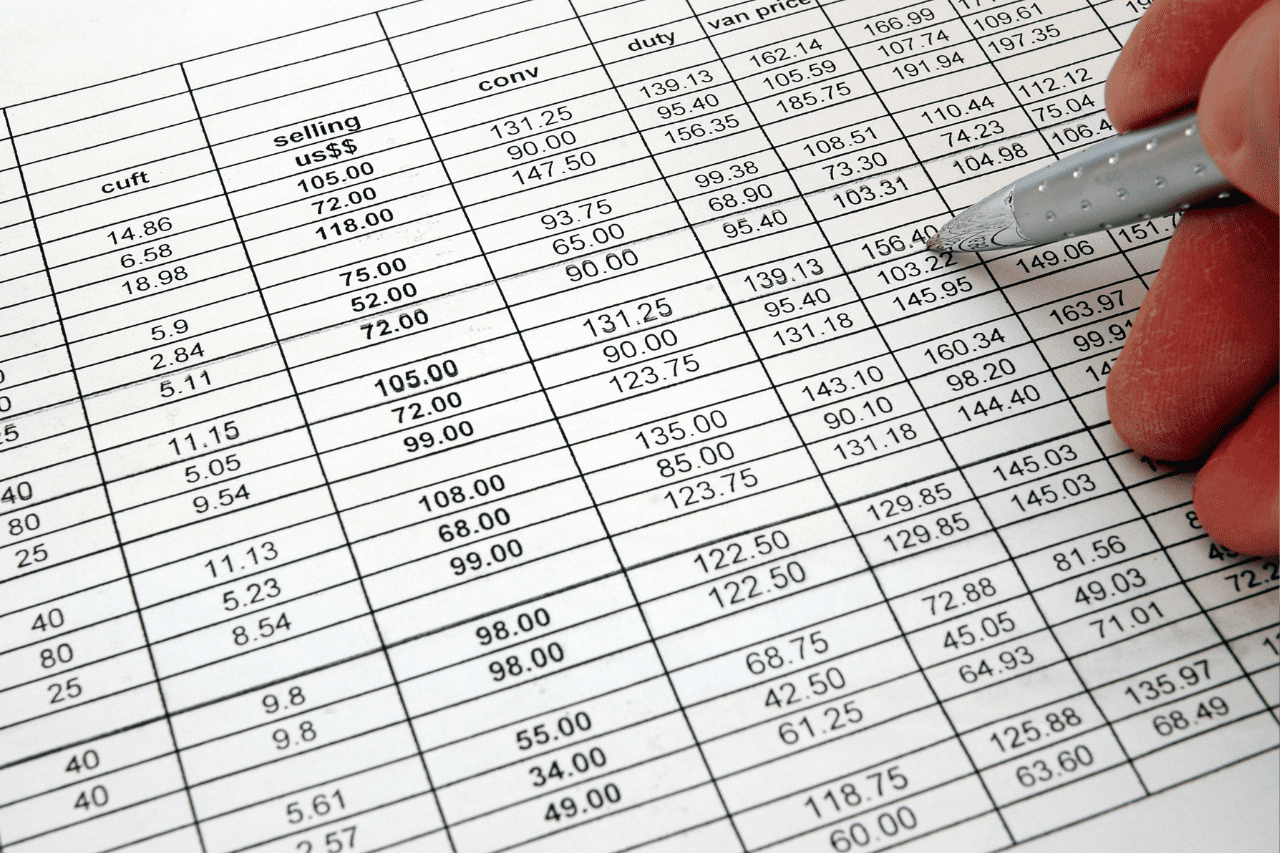

Excel is widespread but dangerous. It’s not just labour-intensive; it can cause major problems. This is not some unfounded opinion – it is an evidenced fact:
For decades, Excel has been the go-to tool for managing rebates. It’s familiar, flexible, and embedded in almost every finance and commercial function. However, familiarity does not equal reliability. When it comes to rebates (complex, high-value, multi-variable financial agreements), Excel becomes a silent liability.
Spreadsheet errors are simple: broken formulas, version mix-ups, and unnoticed human mistakes have triggered multi-million-pound consequences for UK organisations. There are recurring failure patterns from hidden rows, overwritten cells, incorrect formulas, accidental deletions, and errors; often discovered only after financial damage is done. The risks involved in spreadsheet usage can cause a multitude of risks, from revenue losses to failed audits to entire companies being thrown into crisis due to spreadsheet mistakes.
If your rebate programme still relies on spreadsheets, the question isn’t if errors exist – it’s how much they’re costing you.
The Hidden Risks of Managing Rebates in Excel
Rebates are more than off-invoice deductions. They involve:
- Tiered and conditional targets
- Product-specific rules
- Non-standard commercial terms
- Retrospective earnings
- Multi-period calculations
- Cross-department ownership
- High financial exposure
Excel was never engineered for this level of complexity.
As a result, businesses face unavoidable risks:
1. Formula Fragility
One incorrect cell reference can quietly distort entire rebate values. Spreadsheets don’t validate logic, so mistakes spread invisibly and exponentially.
2. Version Chaos
Multiple files across commercial, finance, and category teams make it impossible to trust a single version of the truth.
3. Human Error = Financial Risk
Copy/paste slip-ups, overwritten cells, hidden rows – these aren’t rare events. Dozens of real organisations are impacted by small, everyday mistakes.
4. No Audit Trail
Rebate agreements and accruals require full traceability for audit and compliance (e.g., IFRS 15). Excel cannot provide a reliable, secure audit trail.
5. Margin Loss Through Miscalculations
Spreadsheet mistakes have repeatedly caused firms to lose hundreds of thousands, sometimes millions, in revenue and margin.
6. Reactive, Not Real-Time
Excel rebate data is historical by default.
By the time an inconsistency appears, the period has already closed, undermining forecasting accuracy, accrual reliability, and commercial confidence.
When Spreadsheet Errors Become Strategic Problems
These aren’t admin irritations. They erode core financial capability:
- Margin accuracy
- Forecasting quality
- Working capital control
- Negotiation leverage
- Compliance confidence
- Investor trust
A famous example reported by Sheetcast shows an organisation losing significant value due to a misaligned column. Another saw a public company’s market value plummet after an unnoticed formula error fed incorrect financials to investors.
Sheetcast highlights examples where misaligned columns caused significant losses, and one public company’s valuation dropped after incorrect spreadsheet-driven reporting.
Rebates can represent a substantial share of profitability in distribution, manufacturing, retail, and wholesale – making spreadsheet-driven management an unnecessary, high-risk gamble.
Why Specialist Rebate Platforms Outperform Excel
This is where e-bate stands apart. Excel was built for general calculation. e-bate was built for rebate management, accuracy, auditability and commercial insight at scale.
Here’s what Excel cannot do, but e-bate can:
1. Full Automation of Complex Rebate Logic
Tiered agreements, multi-dimensional rules, retrospective earnings, product hierarchies, volume incentives, calculated automatically and consistently.
No formulas. No macros. No manual workarounds. No hidden risk.
2. A Genuine Single Source of Truth
All agreements, trading terms, transactions, accruals and claims live in one place.
No scattered spreadsheets. No version confusion. No siloed data.
3. Real-Time Rebate Accuracy
Excel is static. e-bate is live.
Every transaction, every agreement change, every forecast update is reflected instantly, helping teams:
Prevent margin leakage
Eliminate delayed or inaccurate accruals
Forecast with confidence
Make faster commercial decisions
4. Full Audit Trail & Compliance
Every change is logged, traceable and audit-ready.
This protects businesses during internal and external audits; something spreadsheets fundamentally cannot guarantee.
5. Seamless ERP Integration
Where Excel sits outside the financial ecosystem, e-bate connects directly to ERP, finance and BI systems.
Benefits include:
- Accurate auto-postings
- Real-time accrual updates
- Faster period close
- Reliable financial visibility
This ensures the ERP reflects actual commercial performance, not spreadsheet assumptions.
6. Strategic, Data-Driven Insights
Excel tells you what happened.
e-bate tells you why, where, and what to do next.
Dashboards, performance analytics, modelling, margin insights and opportunity identification turn rebates into a strategic lever, not an administrative burden.
Final Thoughts
Excel may still dominate through habit, but where millions in rebate value are at stake, habit is not a strategy.
Spreadsheet risk is business risk.
Specialist platforms like e-bate remove fragility, reduce financial exposure, and restore confidence in one of the most commercially sensitive areas of your business. If your rebate programme still lives in spreadsheets, you may already be losing revenue without realising it.
Ready to trade spreadsheet uncertainty with accuracy, automation and audit-ready control?
e-bate replaces spreadsheet chaos with accuracy, automation and audit-ready control. Ready to leave Excel behind? Book a demo with e-bate today.